How to Maintain Reverse Osmosis Systems Properly
Reverse osmosis systems play a critical role in maintaining consistent water quality for commercial facilities. In environments like San Francisco, where water conditions can vary due to infrastructure and usage demands, keeping these systems operating efficiently is not optional—it’s essential for protecting equipment and ensuring reliable output.
For property managers and engineers, even small performance issues in a Reverse Osmosis System can lead to scaling, pressure drops, or inconsistent filtration. Over time, these problems increase operational costs and reduce system lifespan. The good news is that most of these issues can be prevented with a structured maintenance approach.
This guide breaks down how RO systems work, what maintenance actually involves, and how to avoid the most common failures seen in commercial water filtration systems.
How does a Reverse Osmosis System work in commercial facilities?
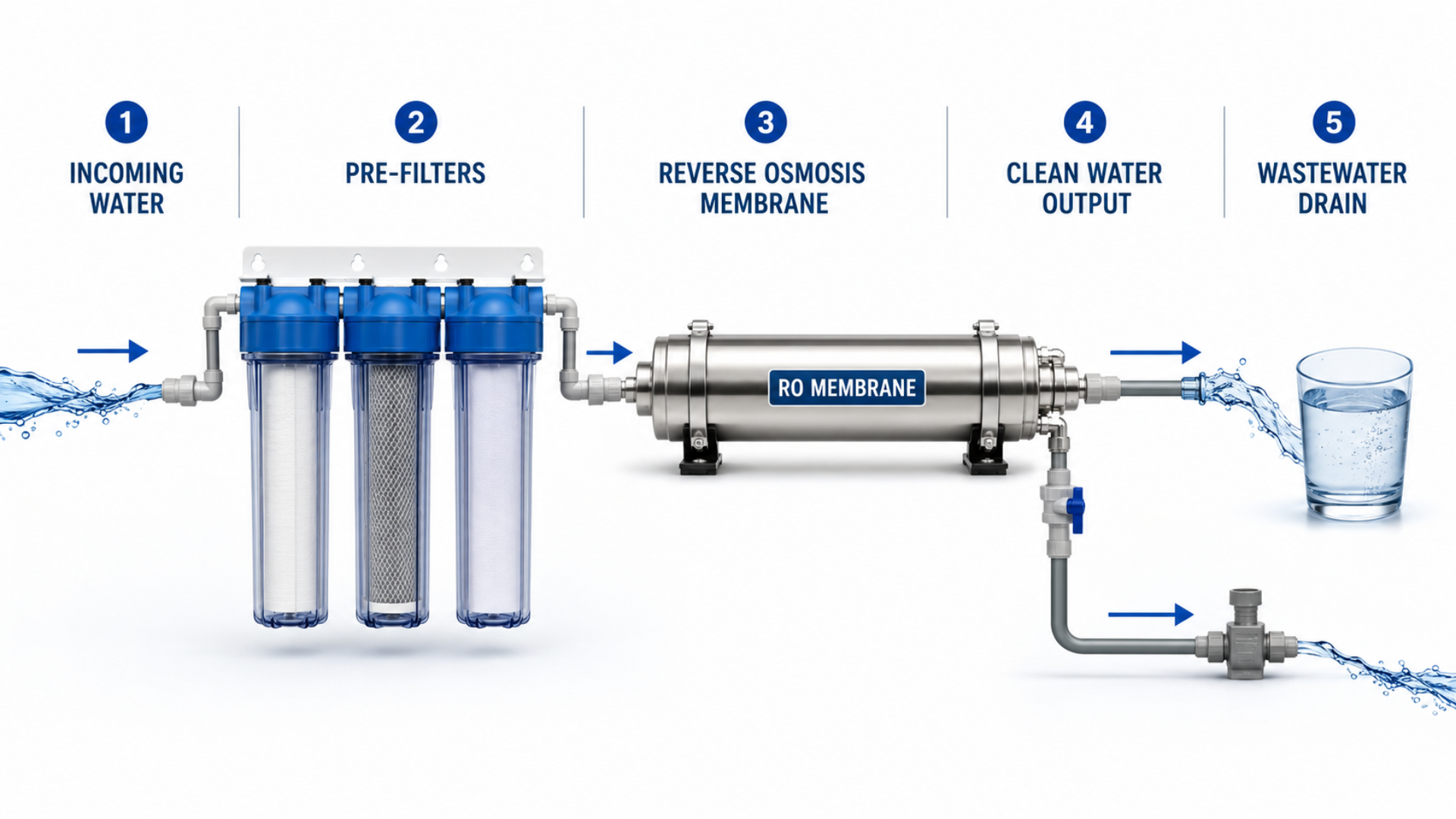
Reverse osmosis systems are designed to remove dissolved solids, contaminants, and impurities by forcing water through a semi-permeable membrane. In commercial environments across San Francisco, these systems are often integrated into larger commercial water treatment solutions to support HVAC units, manufacturing processes, and drinking water supply lines.
Pre-filtration and pressure stages
Before water reaches the membrane, it passes through pre-filters that remove sediment and chlorine. This protects the RO membrane from early damage and keeps flow rates stable. Proper pressure control is also essential to maintain efficiency in RO water systems, especially in high-demand commercial settings.
The RO membrane process
The membrane is the core of the Reverse Osmosis System. It filters out microscopic contaminants, allowing only clean water molecules to pass through. Over time, however, buildup can reduce efficiency, which is why routine maintenance is critical for long-term performance.
What are the most common maintenance tasks for RO water systems?
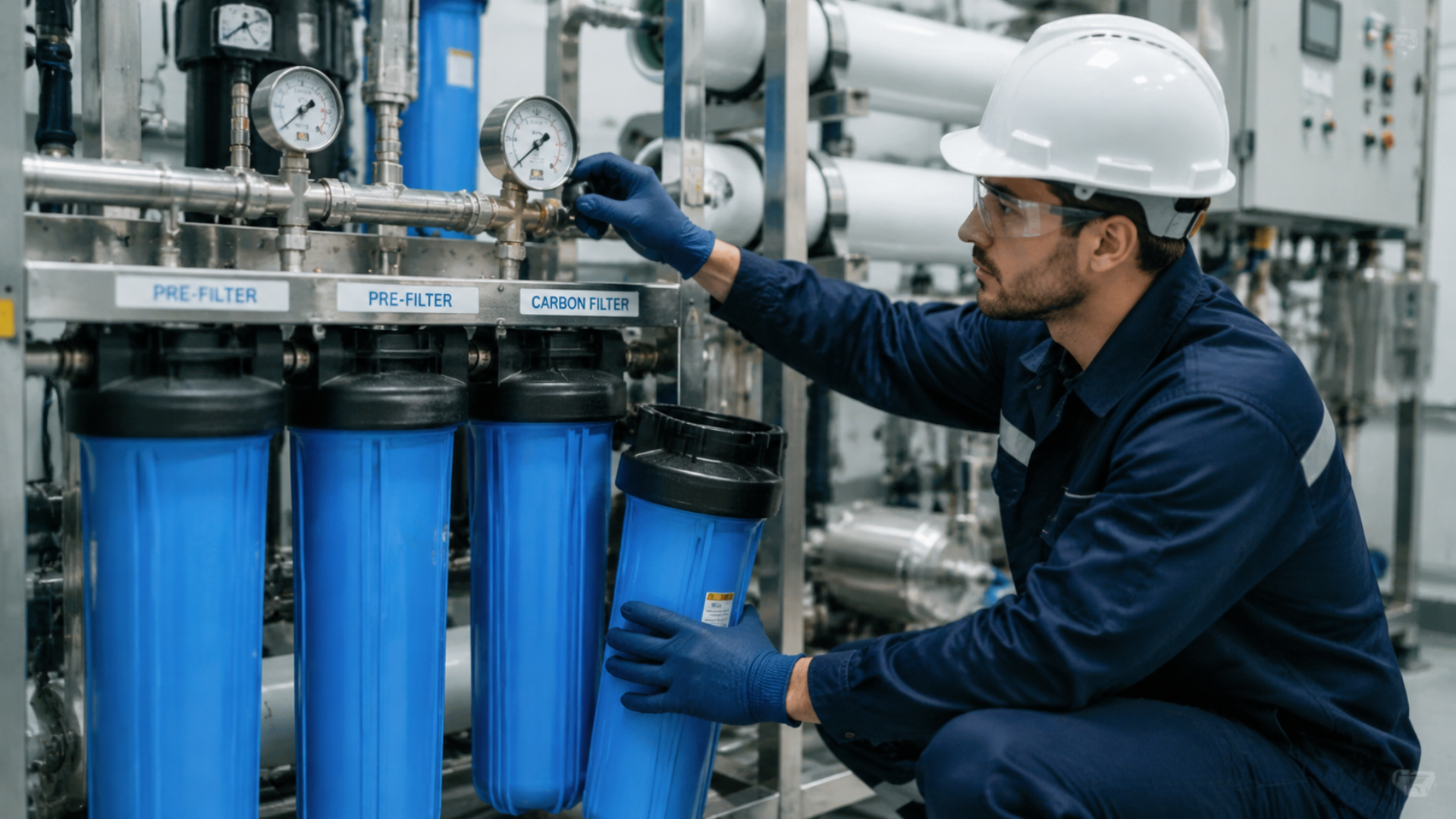
Routine maintenance ensures consistent output and prevents unexpected downtime. For facility teams in San Francisco, ignoring these tasks often leads to reduced water quality and higher operating costs.
Filter replacement and membrane cleaning
Sediment and carbon filters should be replaced on a scheduled basis to prevent clogging. The RO membrane also requires periodic cleaning to remove scaling and biological buildup that can restrict flow.
System sanitization and performance checks
Sanitizing the system prevents bacterial growth inside storage tanks and piping. Engineers also monitor conductivity, pressure levels, and recovery rates to ensure
water filtration systems
are performing within expected parameters.
How often should a Reverse Osmosis System be serviced?
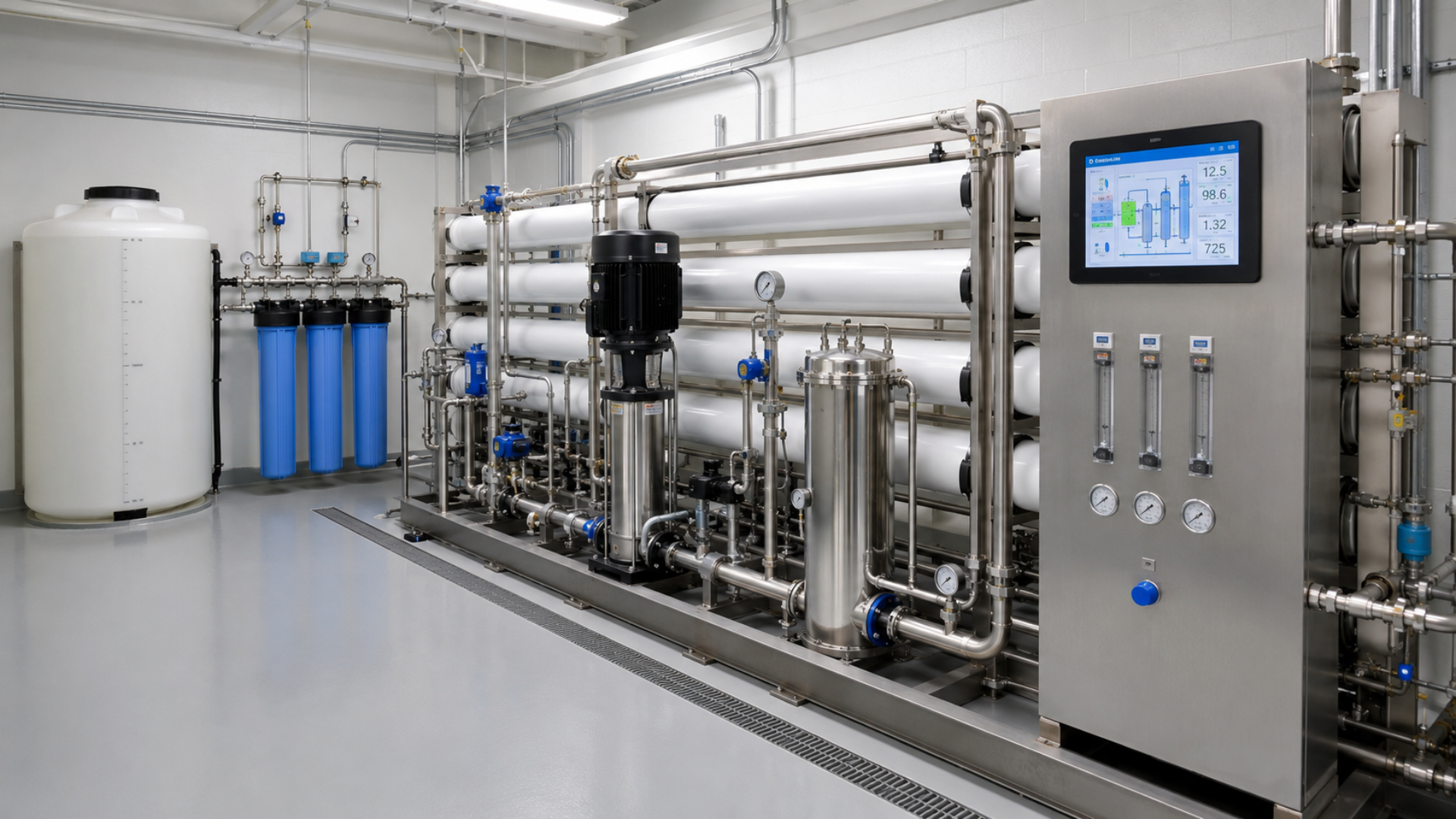
Service frequency depends on water quality, system size, and usage demands. In commercial buildings throughout San Francisco, most Reverse Osmosis Systems require scheduled inspections every 3 to 6 months.
Factors that affect service intervals
Higher sediment loads or heavy industrial use can shorten service intervals. Systems connected to heating and cooling water treatment setups may also require more frequent checks to prevent mineral buildup.
Warning signs your system needs attention
Slow output, unusual taste, pressure drops, and increased wastewater ratios are all indicators that maintenance is overdue. Addressing these early helps avoid costly repairs and downtime.
What problems affect water filtration systems and RO performance?
Even well-designed RO systems can experience performance issues if not properly maintained. Understanding these problems helps facility managers stay ahead of system failure.
Scaling and membrane fouling
Mineral scaling is one of the most common issues in RO systems. It reduces membrane efficiency and increases energy consumption. Fouling from organic material can also block flow paths and reduce output quality.
Pressure imbalance and system inefficiency
Low or inconsistent pressure affects how effectively water passes through the membrane. This often leads to reduced filtration performance across connected water filtration systems and impacts overall system reliability.
Local water system considerations in San Francisco
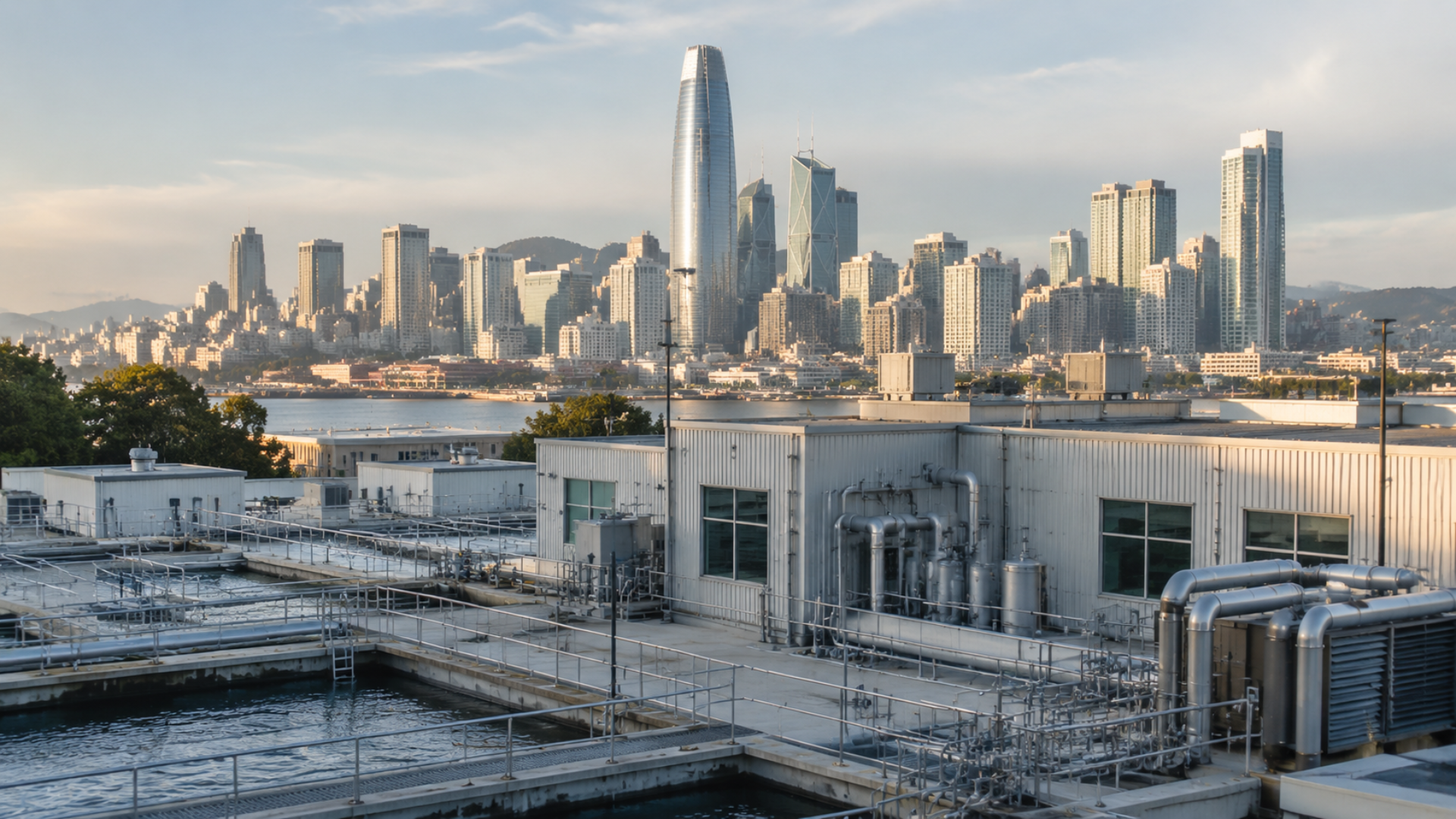
San Francisco’s commercial water infrastructure presents unique challenges due to varying mineral content and building density. Reverse Osmosis Systems in this region often require more frequent monitoring to maintain consistent output across multi-tenant buildings and industrial facilities. Working with a local provider ensures faster response times and system adjustments tailored to regional water conditions.
Keep your Reverse Osmosis System running efficiently
Industrial H2O, Inc. helps commercial property managers and engineers maintain reliable water quality through expert service and system support. For professional assistance with your Reverse Osmosis System in San Francisco, contact Industrial H2O, Inc. at 650-574-1273 to learn more about available water treatment services.
Frequently Asked Questions
How long does a commercial Reverse Osmosis System last?
Most commercial RO systems last 10 to 15 years when properly maintained. Regular servicing and filter replacement play a major role in extending system lifespan.
What causes a Reverse Osmosis System to lose pressure?
Pressure loss is often caused by clogged filters, membrane fouling, or pump issues. Identifying the source early helps prevent further damage to the system.
Can RO systems be used for industrial wastewater treatment?
Yes, RO technology is often integrated into wastewater treatment solutions, especially when high-purity output is required for reuse or discharge compliance.
What is the difference between RO water systems and standard filtration systems?
RO systems remove dissolved solids at a molecular level, while standard filtration systems mainly remove larger particles and sediment. This makes RO more effective for high-purity applications.
Maintaining a Reverse Osmosis System is not just about replacing filters—it’s about protecting long-term system performance and water quality. With the right maintenance approach and support, commercial facilities in San Francisco can avoid downtime and extend equipment life while keeping water output consistent and reliable.